Location
Houston, TX
Size
1,980,000 sq. ft.
Scope
University-wide audit for buildings including laboratories, libraries, dorms, office, classrooms, as well as equipment across the campus.
Rice University
DRIVING ENERGY SAVINGS THROUGH DEFERRED MAINTENANCE PROJECTS
15 buildings on the Rice campus were evaluated for deferred maintenance and energy efficiency opportunities.
Breaking the Cycle of Reactive Maintenance
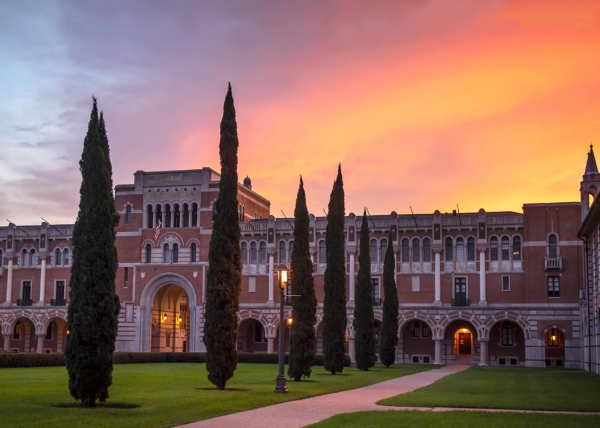
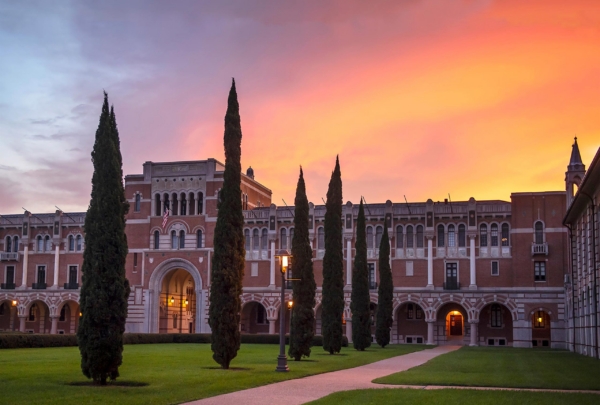
Spread across 300 tree-lined acres, the century-old Rice University campus comprises nearly 100 historic buildings and facilities. But the Texas university faced a common institutional hurdle: a $600M deferred maintenance (DM) backlog across dozens of campus buildings. Historically, the university operated on a reactive “fix-on-failure” model, which lacked the programmatic oversight to maximize long-term reliability or financial investment. Without a proactive strategy, the university risked research continuity and escalating operational costs.
A Unique Programmatic Approach
Initially seeking an Investment Grade Audit (IGA) to understand their facility needs, Edgemoor, Altura, Syska Hennessy, and Clark Construction instead established an innovative approach to address Rice’s needs, combining expertise in development, design engineering, construction management, cost estimating, energy efficiency, and program management. By turning the traditional IGA approach on its head, this collaborative approach shifted the outcomes from Rice’s planned IGA from isolated projects to a holistic 10-year programmatic roadmap. After identifying equipment and systems opportunities, Altura integrated comprehensive DM repair needs with deep Energy Conservation Measures (ECMs) and aesthetic upgrades, ensuring maintenance capital also drives energy reduction and improves the campus. By deploying building analytics during the audit phase, Altura identified deep energy savings from measures such as supply air temperature resets and lab air change rate optimization, often missed by standard ASHRAE Level II audits. And to ensure that Rice would get the most “bang for its buck”, Altura created a financial optimization tool to allow Rice leadership to adjust project packages in real-time and view how those changes would impact metrics like Facility Condition Index (FCI) and total utility cost savings, allowing for smarter prioritization of capital expenditures.
Measurable Results
Phase 1 efforts secured board approval for the initial $15M implementation phase, targeting three of the highest-impact facilities. Based on recommended measures approved for implementation, Rice anticipates an FCI improvement of 48% for the selected buildings. Altura’s prioritization tool helped Rice optimize their spend, projecting $253,000 in annual utility cost savings for the Phase 1 scope, laying the groundwork for a 10-year, $150M program to systematically modernize the entire campus.